Important Disclaimer: This article is intended for general informational purposes only. It does not constitute personalized financial, legal, or tax advice. Everyone's financial situation is different, and what works for one person may not be right for another. Before making any decisions about debt settlement, please consult a licensed financial advisor, a nonprofit credit counselor, or a qualified attorney. For tax implications of forgiven debt, speak with a tax professional.
If you're carrying a credit card balance you genuinely can't repay in full, you may have heard that negotiating a settlement is an option. That's true it is a real process that lenders do consider in certain circumstances. But it's also one of the most misunderstood areas of personal finance, and it comes with real trade-offs that deserve an honest look.
In this article, we'll walk through how credit card debt settlement actually works, what the process typically looks like, how it can affect your credit score, and critically what the risks and limitations are that many guides skip over.
This isn't a guaranteed roadmap to saving thousands of dollars. It's a realistic, balanced overview to help you make a properly informed decision.
Table of Contents
What Is Credit Card Settlement
How It Affects Your Credit Score
The Step-by-Step Negotiation Process
How to Limit Credit Damage
Pros and Cons
Settlement vs. Other Debt Relief Options
What Happens After Settlement
Case Study
When Settlement May Not Be the Right Choice
Conclusion
FAQ
What Is Credit Card Settlement, and How Does It Work?
Credit card settlement is a process in which you negotiate with your lender to accept a lump-sum payment that is less than your full outstanding balance after which the lender considers the account resolved.
For example, if you owe $8,000, a lender might, under certain circumstances, agree to accept $4,000 to $5,000 as a final payment and write off the remaining balance.
This option is typically only considered by lenders when:
- Multiple monthly payments have been missed
- The account has been charged off or transferred to a collections agency
- The lender has assessed that recovering the full amount is unlikely
It's important to understand that settlement is not a standard service that lenders advertise or offer freely. It's a last-resort option that involves genuine negotiation and it comes at a real cost, particularly to your credit profile.
How Credit Card Settlement Affects Your Credit Score
Let's be direct: settlement almost always results in a negative mark on your credit report.
When an account is settled, it is typically reported to the credit bureaus as "Settled" or "Settled for Less Than Full Amount." This is a distinct status from "Paid in Full" and future lenders, employers, or landlords who review your credit report will notice the difference.
The Impact on Your Credit Score
The exact effect on your credit score varies based on several factors:
- Your credit score and overall credit history before settlement
- Whether you're working with the original creditor or a third-party collections agency
- The number of accounts involved
- How the lender chooses to report the settlement to the three major bureaus
A settled account can remain on your credit report for up to seven years from the date of first delinquency. That said, its negative weight does diminish over time, particularly as you build a consistent pattern of positive credit behavior after the fact.
It's also worth noting that by the time most people qualify to negotiate a settlement meaning they've already missed several months of payments their credit score has likely already experienced significant damage. In that context, settlement's additional impact may be relatively more contained. However, it is still a negative mark and should not be minimized.
The Step-by-Step Credit Card Settlement Process
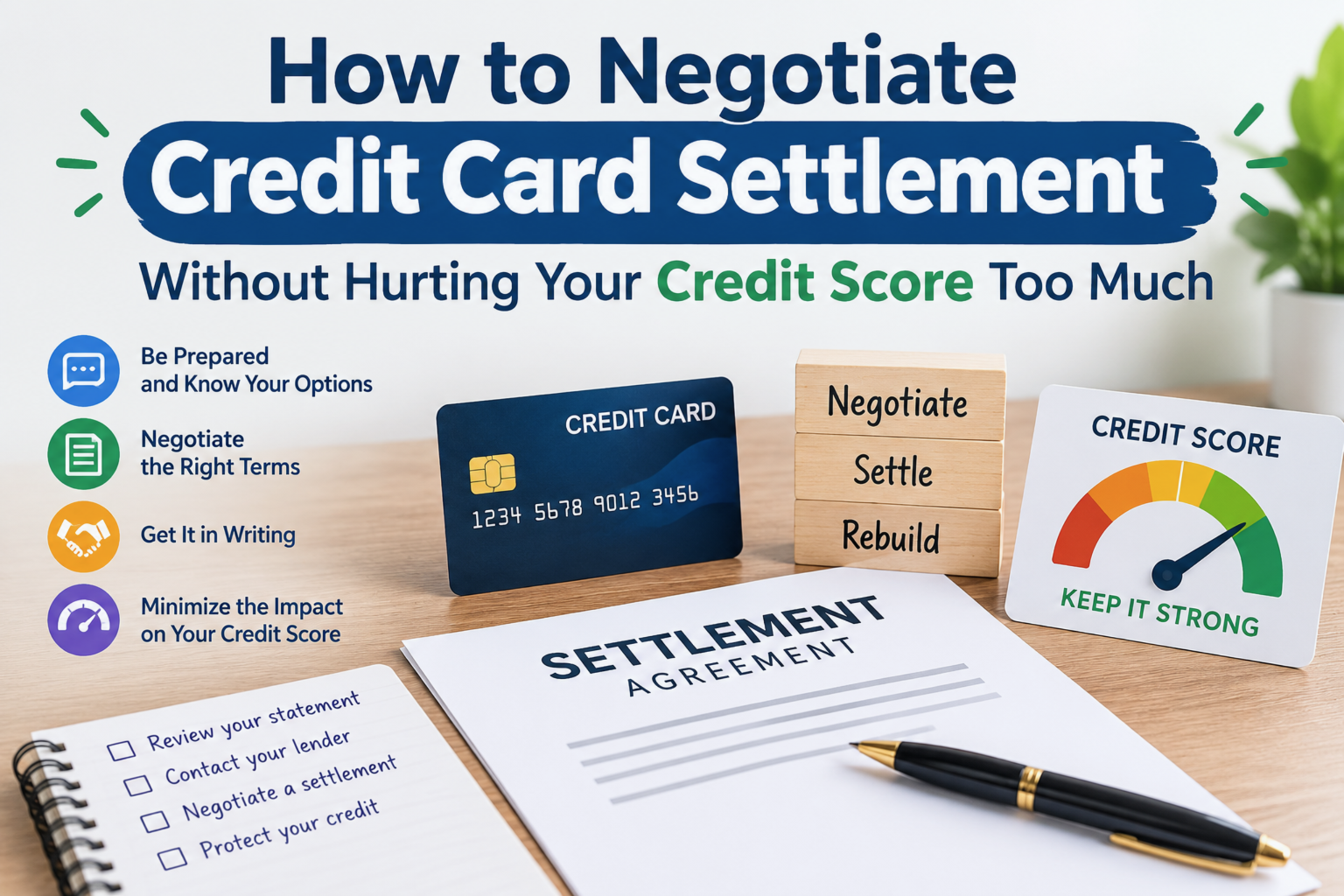
Here is a realistic overview of how the process typically unfolds. Keep in mind that outcomes vary significantly, and none of these steps guarantee a specific result.
Step 1 - Get a Clear Picture of Your Full Financial Situation
Before contacting any lender, take the time to honestly assess:
- The exact balance owed on each account
- How many months you've missed payments
- What you could realistically offer as a one-time lump-sum payment
Most settlement offers require a single lump-sum payment rather than installments. Knowing your realistic capacity before entering any conversation is essential. Typical settlements have historically ranged between 30% and 60% of the outstanding balance, but this varies widely depending on the lender, the age of the debt, and your specific circumstances. These figures are not guarantees some settle for more, some for less.
Step 2 - Understand the Timing Factor
Lenders are generally more open to settlement discussions when an account has been delinquent for 90 to 180 days, because at that stage they begin to factor in the realistic cost of continued collection efforts.
Important Caution: Some sources suggest that people deliberately stop making payments to reach this delinquency window faster. We strongly advise against treating this as a casual strategy. Intentionally stopping payments carries serious consequences:
- Each missed payment further damages your credit score
- Your account may be subject to late fees and penalty interest rates that increase the balance
- Depending on the amount and jurisdiction, lenders can pursue legal action, including wage garnishment
- There is no guarantee that the lender will agree to settle even after a prolonged period of non-payment
If you are already in a position where you genuinely cannot make payments, it is far better to contact a nonprofit credit counselor first. Organizations like the National Foundation for Credit Counseling (NFCC) can help you assess all available options before you commit to a path that may not be necessary.
Step 3 - Contact the Right Department
Calling the general customer service line of your credit card company is unlikely to be productive. Ask to be connected to the hardship department, debt resolution department, or loss mitigation team.
A straightforward opening statement might be: "I'm experiencing a serious financial hardship and I'm unable to repay my balance in full. I'd like to discuss whether a settlement arrangement is possible."
Being direct and calm usually works better than a scripted speech. These departments handle these calls regularly and respond better to transparency than to rehearsed pitches.
Step 4 - Make an Offer and Negotiate Patiently
If the lender is willing to discuss settlement, be prepared for a back-and-forth process. It's reasonable to start your offer at the lower end of what you can genuinely afford, since the lender's first counteroffer is rarely their final position.
However, don't enter this process expecting the lender to automatically accept a dramatic reduction. Many factors influence how much flexibility a lender has, including their internal policies, the age of the debt, and whether it has been sold to a third-party collector.
If a front-line representative declines to negotiate, politely ask to speak with a supervisor or a specialist who has more authority to approve settlement offers.
Step 5 - Get the Full Agreement in Writing Before Paying Anything
This is non-negotiable: never make a settlement payment without first receiving a written agreement that clearly states:
- The original balance
- The agreed settlement amount
- Confirmation that this payment satisfies the full debt
- How the account will be reported to the credit bureaus
- A statement that no further collection activity will occur on this account
Do not rely on verbal assurances. Written documentation protects you if there is any dispute later. Once payment is made and accepted, request a letter confirming the account is resolved.
How to Reduce the Credit Score Impact of Settlement
While some negative impact is difficult to avoid entirely, these steps can help minimize the long-term damage:
- Ask about credit reporting language. Inquire whether the lender will report the account as "Paid in Full" rather than "Settled." Not all lenders will agree, but it is worth requesting particularly when working directly with the original creditor.
- Explore a "pay-for-delete" agreement. For debts held by third-party collections agencies, you may be able to negotiate complete removal of the negative entry from your credit report in exchange for payment. This is not a standard practice and is not guaranteed, but some agencies do agree to it.
- Keep all other accounts current. Positive payment history on active accounts will begin to gradually offset the negative mark over time.
- Review your credit reports after settlement. Pull your reports from all three major bureaus Equifax, Experian, and TransUnion and verify that the settled account is reported accurately. Dispute any errors you find through the bureau's official dispute process.
Honest Pros and Cons of Credit Card Settlement
Potential Benefits
- May reduce the total amount you repay, depending on negotiation outcomes
- Can provide a defined resolution to an account that is already severely delinquent
- Often less financially devastating than bankruptcy in certain circumstances
- Stops ongoing collection activity once the settlement is finalized
Real Risks and Drawbacks
- Will negatively impact your credit score and remains on your report for up to seven years
- Forgiven debt of $600 or more is typically considered taxable income by the IRS you may owe tax on money you never actually received
- Requires a lump-sum payment that many people in financial hardship may struggle to access
- There is no guarantee a lender will agree to settle
- Settlement may still leave you vulnerable to legal action in some jurisdictions if not handled correctly
- Debt settlement companies that offer to negotiate on your behalf often charge significant fees and are not always effective
Settlement vs. Other Debt Relief Options
Credit card settlement is one option among several. It's worth understanding the alternatives before deciding.
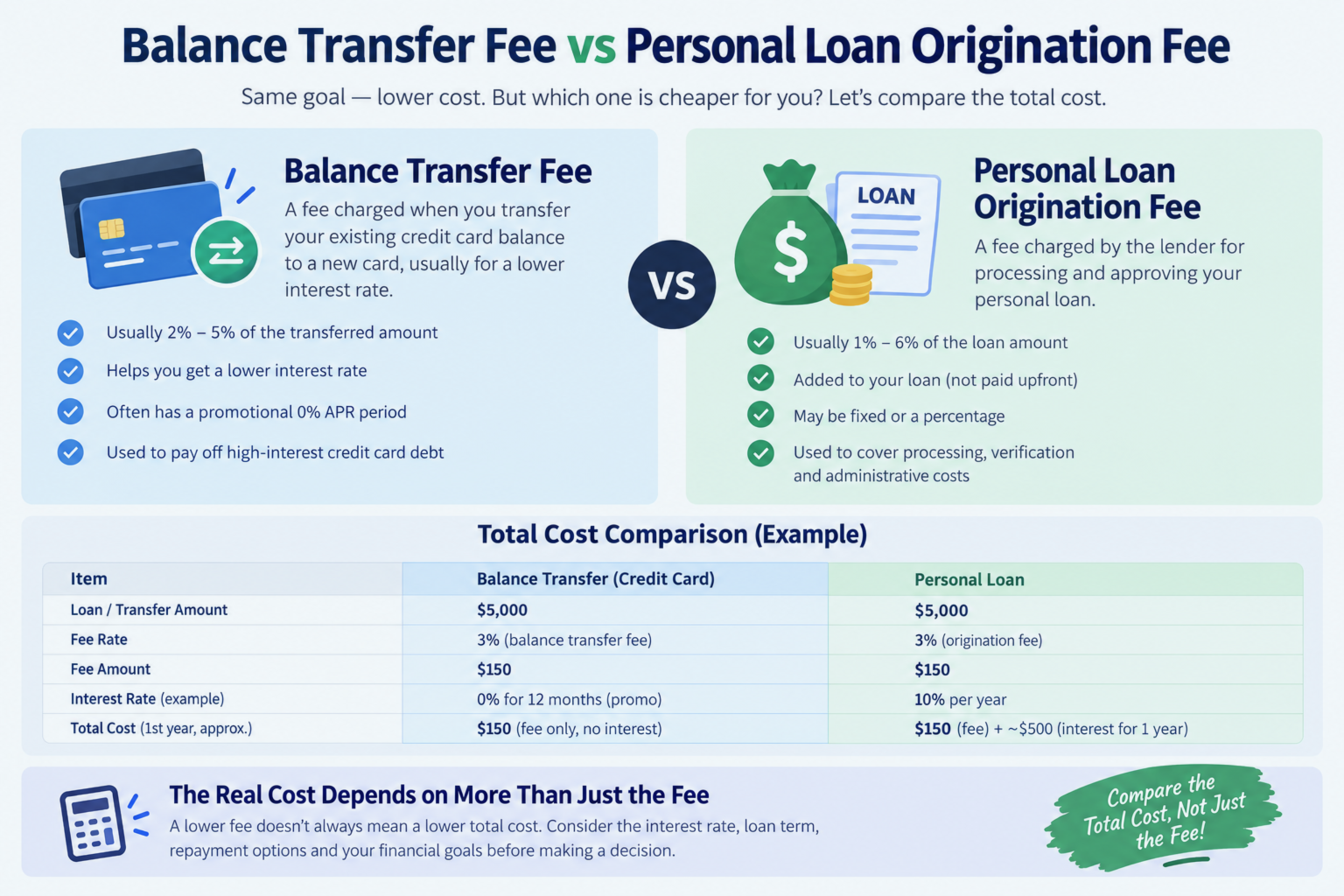
Debt Management Plans (DMP): Offered through nonprofit credit counseling agencies, these plans consolidate your monthly payments into one and often secure reduced interest rates without requiring you to pay less than the full principal. This is a less damaging option for those who can still make consistent payments.
Debt Consolidation Loans: Rolling multiple balances into a single loan with a lower interest rate can make repayment more structured. This works best for people whose credit score is still strong enough to qualify for a favorable rate.
Bankruptcy: For those with debts too large to resolve through settlement, Chapter 7 or Chapter 13 bankruptcy provides legal protection and a court-supervised resolution. It has serious long-term credit consequences, but can be the right tool in genuinely extreme circumstances. This should only be considered with legal advice.
Doing Nothing: This is not a strategy. Ignoring debt leads to worsening delinquency, potential lawsuits, and wage garnishment.
The right option depends on your specific income, assets, types of debt, and goals. A certified credit counselor can help you map this out.
What Typically Happens After Settlement
Once a settlement is accepted, the payment clears, and the lender confirms the account is closed, the following usually occurs:
- The account is updated on your credit report as "Settled" or a similar status
- You may receive an IRS Form 1099-C from the lender, reporting the forgiven balance as cancellation of debt income which may be taxable. There are exceptions (such as insolvency), so consult a tax professional promptly
- Your credit score may see a further short-term dip, but can begin recovering with disciplined financial behavior going forward
- Collection activity on that specific account should cease
Pull your credit reports approximately 30 to 60 days after settlement to confirm everything has been updated correctly. Reporting delays or errors are not uncommon.
A Realistic Case Study Settling $9,000 in Credit Card Debt
Consider this illustrative example. A self-employed individual we'll call her Nadia accumulated $9,200 in credit card debt following an extended period of reduced income. After roughly seven months of missed payments, her account had been flagged for collections.
Nadia contacted the collections department, explained her financial situation clearly, and was connected to a debt resolution specialist. She offered a lump-sum payment of approximately 40% of the balance. After two separate phone calls over a few weeks, the lender accepted a settlement of approximately 45% but required payment within 30 days.
Nadia received the agreement in writing before paying. Her credit score, which had already fallen significantly due to months of missed payments, dropped further after the settlement was reported. The road back to a healthier credit profile took consistent effort over roughly two years rebuilding gradually through on-time payments and keeping balances low on other accounts.
The takeaway from Nadia's experience: settlement resolved a specific debt she genuinely could not repay in full, but the process was neither fast nor painless, and the results required sustained effort to recover from.
This case is for illustration purposes only. Individual outcomes vary based on lender policies, the specific debt, and many other factors.
When Settlement Is Probably Not the Right Option
Settlement tends to make the most sense only in specific circumstances. It is likely not the right path if:
- You can still make minimum payments and your account is in good standing
- You have assets or income that would allow for a debt management plan or consolidation
- The total amount of debt is manageable with adjusted budgeting
- You haven't yet spoken to a nonprofit credit counselor
Settlement should generally be considered a last resort not a first response to financial stress.
Conclusion - What to Take Away From This
Credit card debt settlement is a legitimate option in genuine hardship situations, but it is not a quick fix, and it is not without real cost. The process involves negotiation with no guaranteed outcome, a meaningful impact on your credit profile, and potential tax consequences that many people overlook.
Key takeaways:
- Understand your full financial picture before making any move
- Consult a nonprofit credit counselor before pursuing settlement
- Never pay without a written agreement in hand
- Be prepared for credit score impact and plan for long-term recovery
- Speak with a tax professional about potential 1099-C implications
The best debt decision is always the one that fits your actual situation not someone else's success story. Take your time, get professional guidance where needed, and make an informed choice.
Reminder: This article is general information only and is not a substitute for personalized financial, legal, or tax advice. Please consult licensed professionals before making any decisions about debt settlement.
Frequently Asked Questions
1. Will credit card settlement
destroy my credit score completely?
Not necessarily. The impact varies, and if your score has already declined
significantly due to missed payments, the additional damage from settlement may
be more limited. However, it will still result in a negative mark that remains
on your report for up to seven years.
2. How long does a settled account
stay on my credit report?
Generally seven years from the date of first delinquency. The negative impact
typically lessens over time, especially if you maintain positive credit
behavior during that period.
3. Can I negotiate credit card
settlement myself, or do I need a debt settlement company?
You can negotiate directly with your creditor yourself. Many people do. Debt
settlement companies charge fees sometimes
significant ones and their results are
not guaranteed. A nonprofit credit counselor is generally a more trustworthy
resource than a for-profit debt settlement company.
4. What percentage will credit card
companies typically settle for?
There is no fixed industry standard. Settlements have historically ranged from
roughly 30% to 60% of the outstanding balance in many cases, but the actual
figure depends heavily on the lender, the age of the debt, and individual
circumstances. No outcome can be predicted with certainty.
5. Is forgiven credit card debt
taxable?
In most cases, yes. The IRS generally treats forgiven debt of $600 or more as
taxable income, and you will likely receive a Form 1099-C from the lender.
There are some exceptions such as if you
were insolvent at the time of settlement. Always consult a tax professional to
understand your specific situation.
6. Can I settle credit card debt
that's already with a collections agency?
Yes. Third-party debt collectors often purchase delinquent debt at a
significant discount, which can sometimes give them more flexibility to
negotiate. However, the same rules apply get everything in writing before paying.
7. What should I do if the lender
refuses to negotiate at all?
Don't panic. Contact a nonprofit credit counseling agency for a free or
low-cost assessment of your options. If settlement is not available,
alternatives like a debt management plan or other structured approaches may
still provide a path forward.